2026 NLC Ends with Adoption of Communiqué to Strengthen Industrial Harmony and Economic Growth
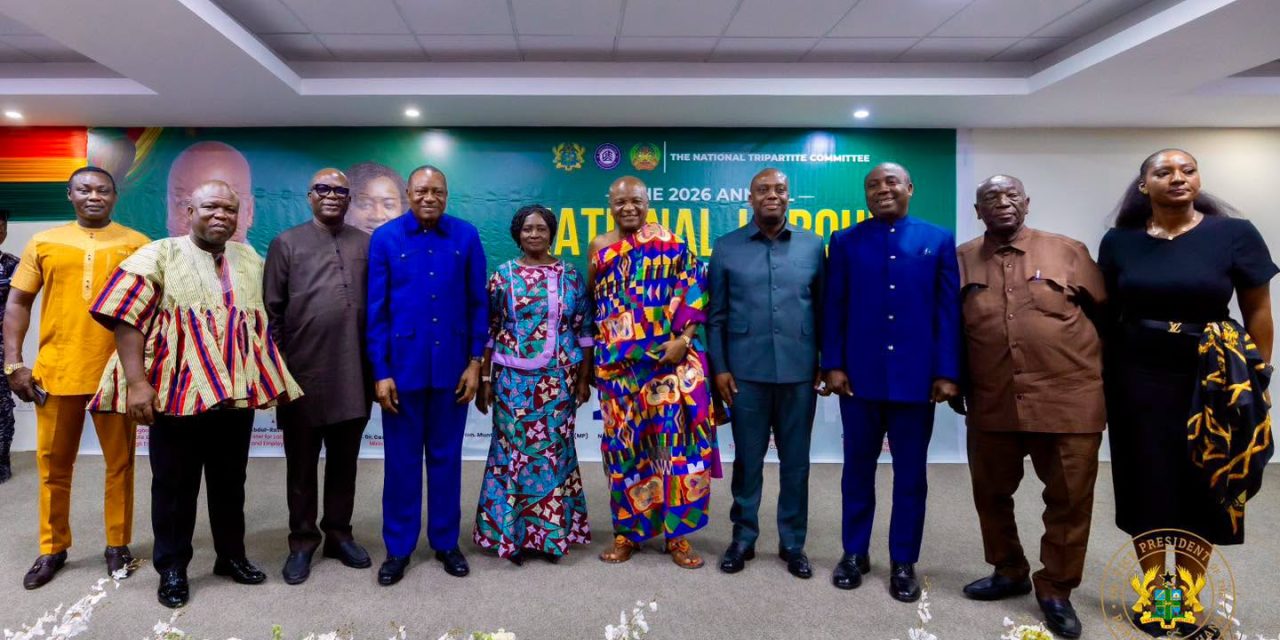
Government, employers, workers’ organizations, policymakers, development partners, academics, and labour market experts converged at the Volta Serene Hotel in Ho from 26th to 28th June for the 2026 National Labour Conference (NLC) under the theme, “Strengthening Industrial Harmony as a Catalyst for Accelerated Economic Growth and National Development.” Organized by the National Tripartite Committee, the three-day conference provided a high-level platform for dialogue on the future of work, labour market reforms, employment creation, social protection, wage administration, productivity, and national economic transformation.
The 2026 Annual NLC unanimously adopted a communiqué committing the country’s social partners to deepen industrial harmony, strengthen social dialogue and work collectively towards accelerated economic growth and national development.
The communiqué, which was presented by the Chief Executive Officer of the Fair Wages and Salaries Commission and Chairman of the Conference Planning Committee, Dr George Smith-Graham, outlined the key observations and resolutions reached during the three-day conference.
In presenting the Ho Declaration, Dr Smith-Graham said the conference reaffirmed that industrial harmony remains indispensable to sustainable economic growth, job creation, productivity and national development. He noted that the social partners had committed to sustaining macroeconomic stability, promoting quality employment, supporting the implementation of the 24-Hour Economy initiative as a national project, accelerating economic diversification and reforming Ghana’s public sector remuneration system through the establishment of an Independent Emoluments Commission.
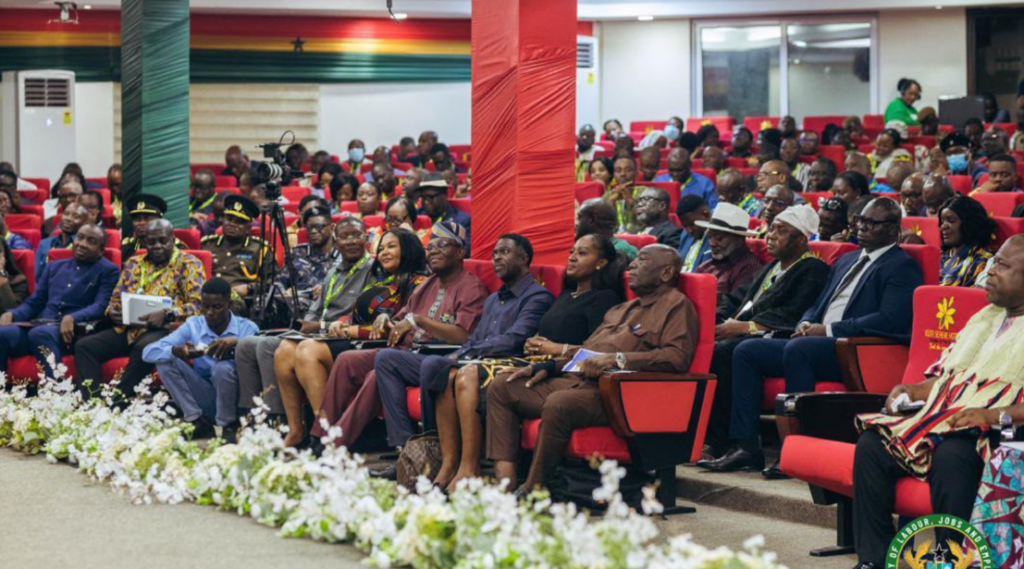
He added that the conference also called for stronger labour institutions, pension reforms and continuous social dialogue, while resolving that the NLC should henceforth be held biennially.
Dr Pelpuo subsequently declared the communiqué officially adopted, describing it as a clear and forthright representation of the collective ideas, perspectives and aspirations of the three social partners.
He said the consensus reached by the government, employers and organised labour would serve as a guide for future engagement and strengthen cooperation towards creating the conditions necessary for national development without unnecessary industrial conflict and disagreement.
“The hope is that these three partners, government, employers and labour, will continue to agree on key national issues to guide us into the future so that we can attain the unity required to move the nation forward,” he said.
The Minister commended all stakeholders for their commitment throughout the conference, noting that effective leadership within the labour ecosystem depends on dialogue, mutual respect and the willingness of every stakeholder to listen.
Chairman of the 2026 NLC, Togbe Afede XIV, then officially closed the conference, expressing satisfaction with the quality of discussions and the outcomes achieved.
He noted that the conference, held under the theme, “Strengthening Industrial Harmony as a Catalyst for Accelerated Economic Growth and National Development,” had fulfilled its objective of promoting dialogue on key socio-economic issues affecting national stability and development.
Although he was unable to remain for every session, Togbe Afede said he closely followed the proceedings and was encouraged by the practical proposals developed to consolidate industrial harmony and address critical labour challenges.
He said the conference had fostered greater understanding among stakeholders and reinforced the collective commitment to sustain industrial peace through continuous dialogue.
According to him, participants also reaffirmed their determination to promote employment creation, reduce unemployment and support economic diversification as essential drivers of sustainable economic growth.
Togbe Afede stressed that improving labour productivity must remain a national priority, explaining that higher productivity benefits workers through better incomes, employers through improved returns on investment and the nation through stronger economic performance.
Quoting Martin Luther King Jr., he reminded participants that all labour possesses dignity and should be carried out with excellence, urging workers and employers alike to pursue greater efficiency and professionalism.
He further identified corruption as one of Ghana’s greatest threats to development, describing it as a major drain on national resources that undermines economic progress and public confidence.
Calling the government, employers and workers to unite against corruption, he insisted that safeguarding public resources must be a shared responsibility.
“The fight against corruption should not be left to government alone. It is a fight that all of us must commit ourselves to,” he said.
He thanked participants for their active contributions and expressed confidence that the commitments captured in the adopted communiqué would strengthen Ghana’s tripartite partnership, preserve industrial harmony and contribute to sustainable national development.
The conference ended with delegates reaffirming their commitment to implementing the resolutions contained in the Ho Declaration, strengthening collaboration among the social partners and advancing decent work, productivity and inclusive economic growth in Ghana.