Ghana Launches Decent Work Country Programme III
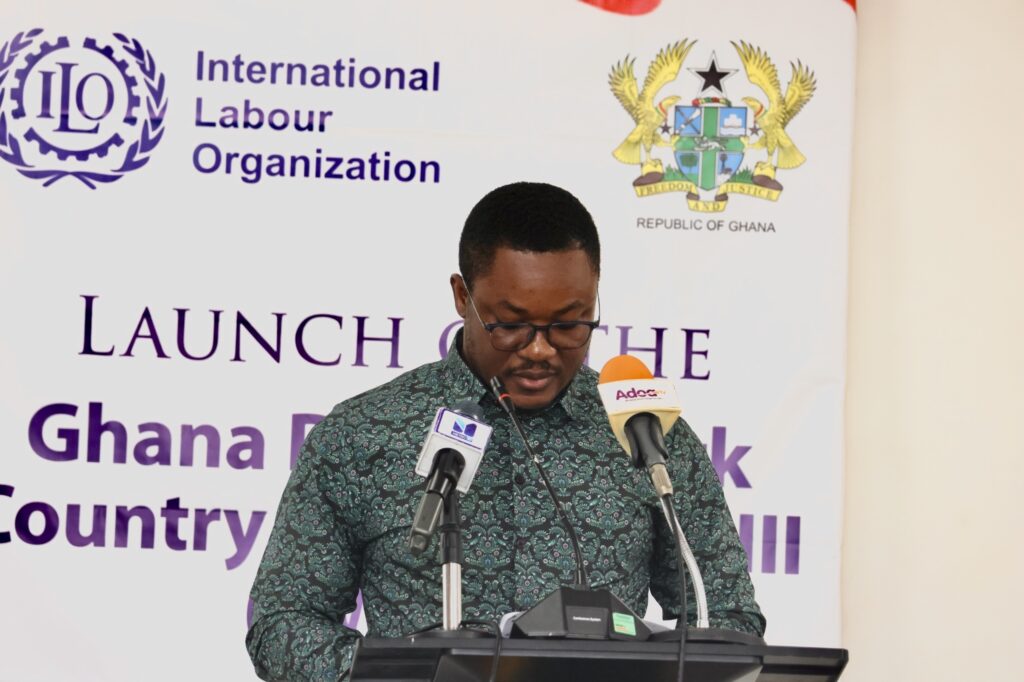
The Government of Ghana has officially launched the third phase of its Decent Work Country Programme (DWCP III) for the period 2026–2030, marking a renewed national commitment to promoting productive employment, strengthening rights at work, and expanding social protection systems. Developed in collaboration with the International Labour Organization and key social partners, the Programme provides a comprehensive framework to address persistent labour market challenges, including unemployment, underemployment, and high levels of informality, while advancing inclusive and sustainable economic growth.
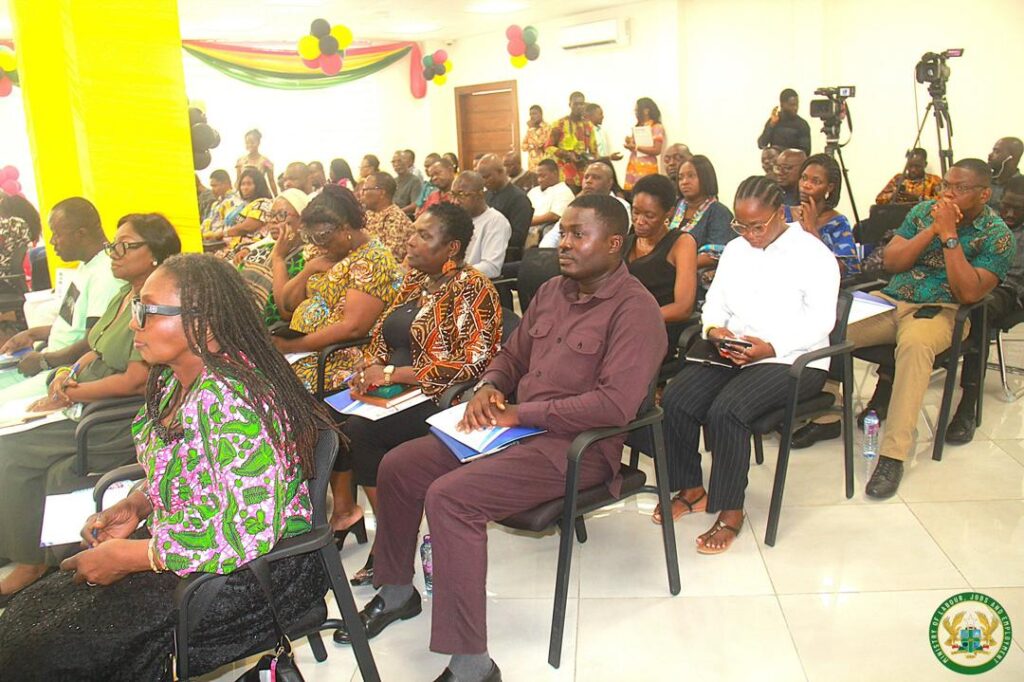
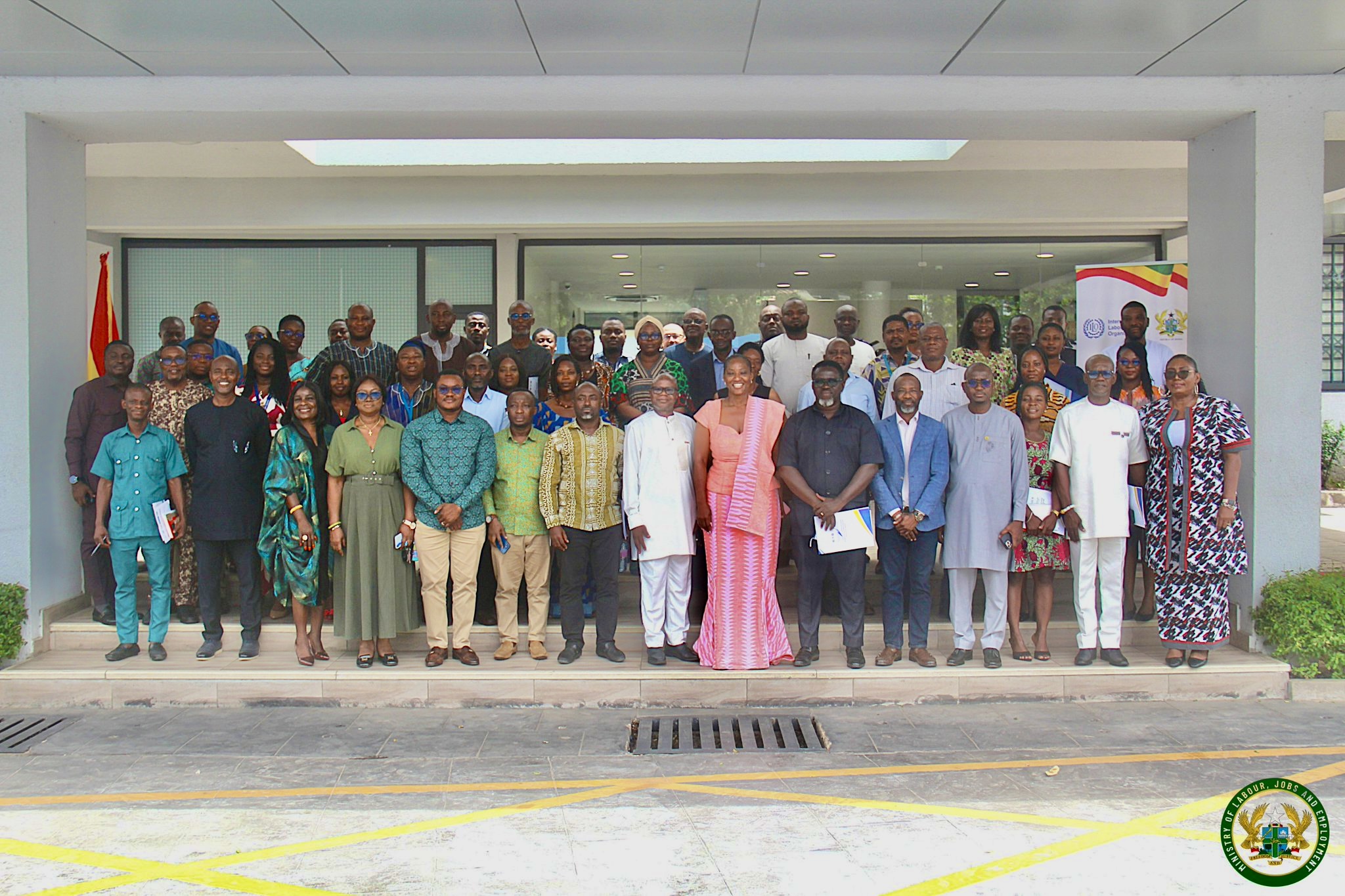
The Programme is anchored on three strategic pillars: productive job creation; expansion of social protection systems; and the promotion of rights at work in line with international labour standards. It also integrates critical cross-cutting priorities such as occupational safety and health, workplace wellness, gender equality, skills development, digital transformation, and the future of work, particularly within the context of the African Continental Free Trade Area. At the official launch hosted by the Ministry of Labour, Jobs and Employment in Accra, government reaffirmed its commitment to strengthening social dialogue, modernising labour legislation, improving workplace conditions, and extending social protection to workers in the informal economy.
Representing the employers’ constituency, the Ghana Employers’ Association strongly endorsed the Programme, describing it as a strategic instrument for repositioning Ghana’s labour market towards efficiency, resilience, and inclusive growth. The Association emphasised the centrality of enterprise sustainability in driving job creation and underscored the need for demand-driven skills development aligned with industry requirements. It further highlighted the importance of incentive-based approaches to formalisation, robust institutional coordination, adequate financing, and effective monitoring and evaluation systems, alongside continuous and structured social dialogue to ensure successful implementation.
Organised labour, including the Trades Union Congress Ghana and the Ghana Federation of Labour, also expressed strong support for the Programme, noting that its focus on job quality, equity, and rights at work is essential for improving livelihoods and promoting social justice.
For GEA members, the implementation of DWCP III presents both opportunities and obligations. On one hand, it offers a platform to leverage policy support for productivity enhancement, skills development, and enterprise growth. On the other hand, it reinforces the need for compliance with labour standards, improved workplace practices, and active participation in social dialogue processes. Ultimately, the success of the Programme will depend on strong collaboration among government, employers, workers, and development partners.